Erasmus+

European Projects, News

Spanish Team’s Workshop: The Rural Connector Challenge

During the recent Upskilling Rural consortium study visit to Kusadasi, the Spanish team presented its workshop, “The Rural Connector Challenge.”A collaborative game in which participants had to create a business project based on linking five random images.The main peculiarity was that two of these images were created and assigned by the rival team, who had to make them challenging to identify.

Spanish Team’s Workshop: The Rural Connector Challenge Read Post »

European Projects, News

NICHE 2 WP2 results are now online:

Evidence, examples and GreenComp Matrix to accelerate ICH’s green transition NICHE 2 has published the full results of Work Package 2 (WP2), now available in multiple languages on the project platform. From Iceland to Italy, France, Spain and Croatia, WP2 has turned fragmented knowledge into usable guidance for practitioners, educators and policymakers working where Intangible Cultural Heritage (ICH) meets sustainability. What’s new online 1) Executive Summary A consolidated mapping and analysis completed by each partner at country level and from an EU-wide perspective that Synthesises national findings on ICH’s role, readiness and risks in the green transition, and directly informs the co-design of the upcoming NICHE 2 Training Programme Walks readers from situational analysis to actionable insights: sector dynamics; inhibitors and challenges; support systems and best practices; and the skills/competences needed for the transition Is intended as a strategic tool for future training, policy and funding, useful beyond the project partnership. 2) Best Practices Collection (12 cases) A curated portfolio that covers five partner countries and EU-level initiatives, reflecting diverse actors, themes and territorial scales. It showcases a breadth of dimensions relevant to ICH and sustainability, including: ICH preservation & transmission Green management models for community museums and venues Policy frameworks and funding conditionalities Smart governance & technological innovation for low-impact tourism Training programmes Sustainable tourism Circular approaches / eco-design 3) The GreenComp Matrix An operational matrix developed by partners to link the training needs emerging from the mapping with the competences of the European Commission’s GreenComp framework. The matrix is used to derive clear learning outcomes for the forthcoming NICHE 2 training offer and to ensure methodological robustness and traceability from evidence to curriculum. What happens next WP2 outputs feed directly into the design of the NICHE 2 Training Programme (WP3), combining technical modules with reflection-based learning and culturally sensitive dialogue so practitioners can safeguard heritage and steward environmental change responsibly. For more information, visit the NICHE project’s official website at https://www.nicheproject.eu/index.php or contact our team via email at nicheproject.eu@gmail.com

NICHE 2 WP2 results are now online: Read Post »

News

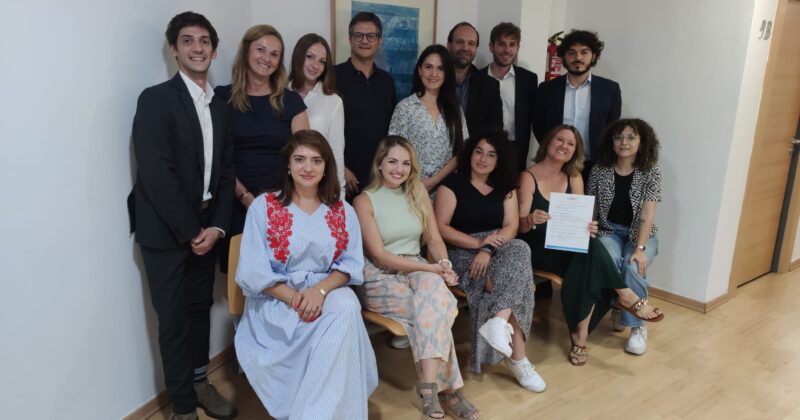
NICHE 2 – Transnational Project Meeting II Held in Pescara

On 12th June 2025, the second Transnational Project Meeting of the NICHE 2 project took place in Pescara, Italy, at the headquarters of IDP European Consultants, a partner of the project consortium. The meeting brought together representatives from all partner organisations to review progress, discuss key findings, and plan the next steps of this strategic European initiative The NICHE 2 project, under the reference number 2024-1-IS01-KA220-VET-000243941, is a Cooperation Partnership in the field of Vocational Education and Training (VET), co-financed by the Erasmus+ Programme of the European Commission. The project aims to empower practitioners in the field of Intangible Cultural Heritage with the knowledge and tools needed to navigate and lead the green and digital transition in alignment with sustainable development goals. Building on the success of the previous NICHE initiative, NICHE 2 promotes capacity-building through tailored training resources, fostering innovation and sustainability across the cultural heritage ecosystem. During the meeting, project partners worked collaboratively on the needs assessment phase (Work Package 2), a key component of the project designed to identify the challenges and training requirements faced by cultural sector professionals in adopting sustainable practices. This mapping exercise was conducted at both national levels in consortium countries — Croatia, France, Spain, Italy and Iceland — and at a broader European level. Together, the partners analysed the results of this assessment to define the skills and topics that will shape the NICHE 2 training course to be developed in the coming months. Specifically, the results highlighted that climate change considerations are still rarely integrated into cultural heritage policymaking, and conversely, cultural heritage remains largely absent from climate policy discussions, both at the EU and national levels. The research has also revealed several key gaps that hinder the alignment of ICH practices with the Sustainable Development Goals (SDGs), particularly those related to climate action (SDG 13), sustainable cities and communities (SDG 11), and responsible consumption and production (SDG 12): In the coming months, the consortium will present these findings to cultural sector stakeholders —the primary target group of the project — in order to co-design innovative training solutions that directly respond to their real-world needs. Additionally, the meeting served as a platform to coordinate further project activities, including the development of a sustainability-promoting network, dissemination and communication strategies, project management planning, and quality assurance processes. For more information, visit the NICHE project’s official website at https://www.nicheproject.eu/index.php or contact our team via email at nicheproject2@gmail.com

NICHE 2 – Transnational Project Meeting II Held in Pescara Read Post »

European Projects, News

Upskilling Rural Consortium Holds Successful Testing Study Visit in Spain

Málaga, Spain – From March 31st to April 4th, 2025, the Upskilling Rural Consortium gathered in Málaga, Spain, for a dynamic and enriching Testing Study Visit. This international event brought together 25 participants, including consortium members and young people from Turkey, Italy, Austria, Poland, and Spain, for a week of collaboration, learning, and cultural exchange. The program featured a variety of engaging workshops designed to support the project’s mission of empowering rural youth through innovative education and entrepreneurship. Highlights included: Each session began with an icebreaking activity and concluded with a lively energizer, both designed and led by the partner organizations to enhance group cohesion and engagement. In addition to the educational component, participants also enjoyed cultural activities aimed at strengthening bonds and promoting intercultural dialogue. These included a guided tour of Málaga and a fun-filled gymkhana through the streets of the city. All partners expressed high levels of participation and enthusiasm, contributing to the overall success of the event. The Testing Study Visit in Spain marked a significant milestone in the Upskilling Rural project, reaffirming the consortium’s commitment to empowering rural youth across Europe.

Upskilling Rural Consortium Holds Successful Testing Study Visit in Spain Read Post »

European Projects, News

A YEAR BETTER Launches Its OER Platform to Empower Seniors Through Digital Skills

A YEAR BETTER consortium proudly announces the launch of its Open Educational Resources (OER) platform, a key milestone in its mission to promote digital inclusion and support active ageing across Europe. Co-funded by the Erasmus+ programme, A YEAR BETTER brings together six partners from Spain, Poland, Italy, North Macedonia and Belgium. The project aims to equip elderly citizens with essential digital skills, helping them navigate everyday tasks, combat loneliness and foster social participation through technology. The newly launched AYB OER Platform will serve as a dynamic, user-friendly online space offering: The platform will also undergo pilot testing with participants from the partner countries, gathering feedback to refine its content and functionality. In this way, the AYB project aligns with the EU’s Active Ageing Strategy, contributing to: The AYB OER Platform represents a vital step towards a more digitally inclusive society, where seniors can feel confident and connected. For more information about AYB and how to get involved, please visit www.ayearbetter.eu or contact ayearbetter@gmail.com. Follow us on social media:

A YEAR BETTER Launches Its OER Platform to Empower Seniors Through Digital Skills Read Post »

European Projects, News

Bridging the Digital Divide: A YEAR BETTER Project Launches to Support Seniors

On December 13, 2024, the six partner organisations of the A YEAR BETTER (AYB) project gathered online for the official launch meeting. Co-funded by the Erasmus+ program, this innovative initiative brings together partners from Spain, Poland, Italy, North Macedonia and Belgium, with a shared mission: fostering a digitally inclusive society for the elderly. The meeting started with a warm welcome and introduction by IT Solutions For All (ES) as the project’s coordinator. This was followed by a round of presentations where each partner had the opportunity to introduce their institution. The core agenda of the A YEAR BETTER kickoff meeting focused on key project milestones and collaboration strategies. IT Solutions For All introduced the project’s goals and timelines, followed by IAL FVG’s presentation on mapping digital survival skills for seniors, aligning with the DigComp framework, and curating digital solutions to combat loneliness and foster inclusiveness. E-Seniors outlined the development of AYB training in six languages to ensure accessibility across Europe. IT Solutions For All also presented the creation of an open educational resource (OER) platform to host and pilot these materials. The meeting wrapped up with a review of upcoming tasks and collaboration plans, setting the stage for the project’s next steps. A YEAR BETTER aligns with the EU’s Active Ageing strategy by promoting digital empowerment among the elderly. Through tailored training and accessible online tools, AYB aims to enhance digital skills and raise awareness of online resources, making seniors more self-sufficient and supporting social inclusion and welfare across the EU, and equip elderly individuals with the knowledge to use digital tools for everyday tasks, fostering their independence and participation in the digital economy. With a strong consortium and a clear roadmap, A YEAR BETTER is set to create meaningful pathways for digital upskilling, contributing to a more inclusive and connected Europe. For more information about AYB project: Join us on this journey towards a digitally inclusive future for all!

Bridging the Digital Divide: A YEAR BETTER Project Launches to Support Seniors Read Post »

European Projects, News

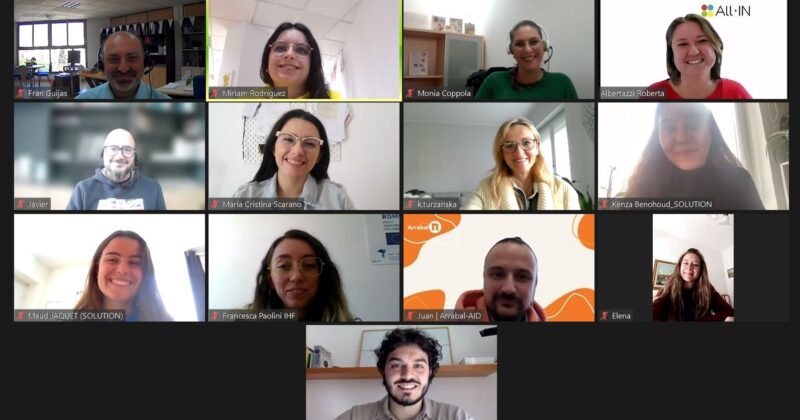
The ALL-IN toolbox for inclusive communication is now available

We are proud to announce the official publication of the Inclusive Communication Toolkit, developed as part of Work Package 3. This innovative educational resource is designed to promote fair, respectful and representative communication practices in the education, youth and training sectors. The Toolbox features a series of eight training modules, available for free on the project’s OER (Open Educational Resources) platform, and translated into five languages (EN, FR, ES, IT, PL): The Toolbox is freely available on the ALL-IN project’s online platform. Participants who complete the modules and pass the self-assessment tests will receive a certificate of completion, validating their knowledge and skills in inclusive communication. This resource is designed for educators, youth workers, trainers, public institutions, and anyone committed to creating a more inclusive society through language and communication. To enhance participant engagement, WP3 integrates several gamified tools such as: These elements make learning more dynamic and memorable, helping participants put theory into practice. For more information, visit the platform at www.allin-inclusion.eu and help promote a world where inclusive communication is the norm, fostering understanding, respect and appreciation for diverse identities and experiences. Don’t forget to follow us on social networks to access the most updated content: Instagram: @allin.euproject Facebook: @allin.euproject

The ALL-IN toolbox for inclusive communication is now available Read Post »

European Projects, News

The UNITY EUROPE project reaches the successful conclusion of Work Package 2

The UNITY EUROPE project, co-financed by the European Commission under the Erasmus+ KA2 Cooperation Partnership framework, is pleased to announce the publication of the final deliverables of the Work Package 2 (WP2). This underlines a first significant mark in the project which is making significant strides toward enhancing the integration of young migrants (aged 18 to 30) across Europe. Project Aim: to boost employability, foster intercultural dialogue, and develop a digital platform with training resources, aligning with EU priorities on inclusion, diversity, active citizenship, and youth employability. Six partners are involved from six countries: Belgium, Cyprus, France, Italy, Spain, and Türkiye, representing both the education system and the youth sector at large. Following the successful conclusion of WP2, we are thrilled to share the results with our target audience, stakeholders, and policymakers. These outcomes represent a milestone in our journey to support young migrants with essential knowledge and resources for their integration. Final Assessment Report: It is the product of a collaborative effort aimed at analysing both quantitative and qualitative data on young immigrants in Europe. It focuses on identifying key challenges and gaps in training that hinder the social and professional integration of young immigrants. The report examines the drivers and barriers to integration in partner countries and across Europe. Factors such as language difficulties, legal obstacles, cultural differences, and economic challenges are explored in depth. The report and an open discussion on results among partners identified eight key training areas (merged into 6 final training topcis) that will form the foundation of targeted educational content to be offered in Work Package, ensuring that the training programmes are relevant, impactful and capable of supporting the integration of young immigrants into European society. These areas are: Repository of Useful Information and Links: This newly developed repository includes a series of fiches that offer vital information and useful links to young immigrants. These fiches provide insights into the legal requirements, cultural nuances, and support services in the six partner countries, empowering our target audience to navigate their new environments with confidence. By equipping young migrants with the right resources, the Repository is a practical tool for easing their transition into host communities and institutions. Our next steps We are going to focus on the creation of the UNITY EUROPE Toolbox, a collection of digital Open Educational Resources (OER) aimed at enhancing the skills of young migrants. These resources will be directly inspired by the results of Work Package 2, providing young immigrants with the knowledge and competencies they need to integrate effectively and contribute meaningfully to their new communities. Please follow the progress of the UNITY EUROPE project on our website https://www.unity-europe.eu/index.php?lang=EN and through our social media platforms (https://www.facebook.com/Unity.Europe.Project/ – https://www.instagram.com/unity_europe_project/) for updates on the latest developments. (Project Number: 2023-2-FR02-KA220-YOU-000174752)

The UNITY EUROPE project reaches the successful conclusion of Work Package 2 Read Post »

European Projects, News

Unity Europe Project Partners Meet in Málaga to Discuss Key Milestones and Future Work

Málaga, Spain – 14 October 2024: The Unity Europe project, a groundbreaking initiative aimed at fostering European cooperation and social cohesion, held a face-to-face meeting with all its project partners on 14 October 2024 in Málaga, Spain. This meeting marked a significant milestone in the project’s progress as partners came together to review the results of Work Package 2 (WP2) and plan the upcoming activities for Work Package 3 (WP3) and Work Package 4 (WP4). Hosted in the vibrant city of Málaga, the meeting brought together representatives from multiple countries and institutions involved in the Unity Europe project. The discussions centered around the latest findings and achievements of WP2 and the training topics for WP3. Partners presented the research outcomes, exchanged insights, and evaluated how these results will inform the next steps in the project. WP2: Achievements and Insights The results of WP2 were a key highlight of the meeting. This work package aimed to provide a comprehensive understanding of the challenges and opportunities in promoting unity across Europe. The partners analyzed the socioeconomic factors, migration trends, and policy frameworks for migrants across various regions. The findings presented in Málaga will play a crucial role in shaping the strategic direction of the next phases of the project. Looking Forward: WP3 and WP4 With WP2 successfully completed, the Unity Europe partners are now shifting focus to WP3, which will address the development of training materials and gamification elements for equipping young immigrants with essential skills, enhancing socio-professional skills and promoting active citizenship. Next Steps As the Unity Europe project moves forward, the partners are committed to driving collaboration and developing innovative solutions that promote European integration. WP3 will focus on actionable outcomes, with a strong emphasis on enhancing young immigrants’ confidence and socio-professional skills and competences, creating an innovative, interactive and stimulating learning experience. For more information about the Unity Europe project and its latest developments, please visit www.unity-europe.eu.

Unity Europe Project Partners Meet in Málaga to Discuss Key Milestones and Future Work Read Post »

Scroll to Top